
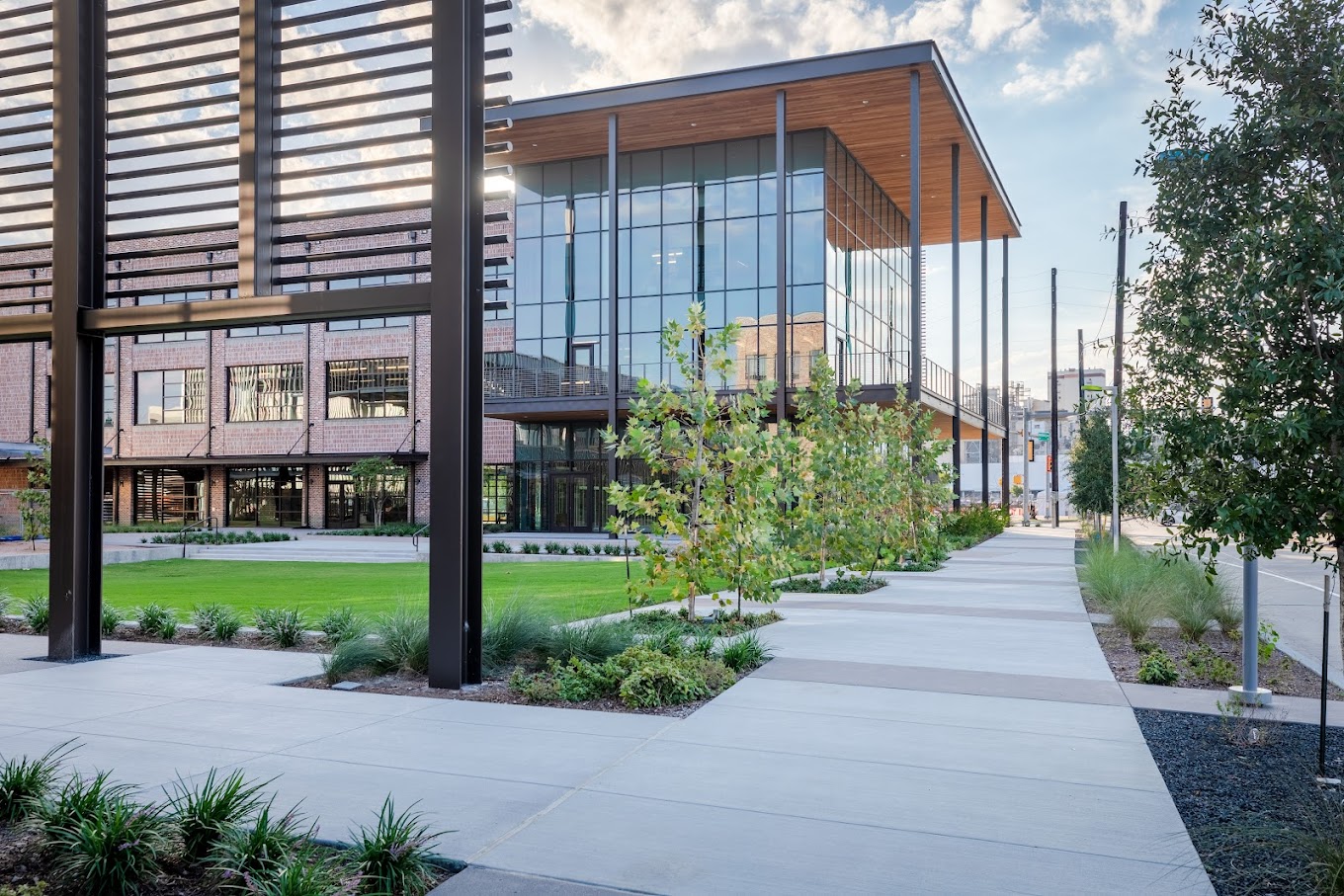
Pursuit Center Campus Relocation
PURSUIT CENTER PROJECT
The relocation of the Pursuit Center, a nonprofit organization serving individuals with intellectual and developmental challenges, was a multi-phase project spanning five years. When Hurricane Harvey severely damaged the organization’s 58-year-old campus, a new plan had to be created—one that would allow services to continue while a new campus was designed and built.
Move Resource Group partnered closely with the Pursuit Center team to manage this complex transition, coordinating the relocation to temporary swing space while maintaining the continuity of critical programs and services for the community they serve.
The goal was simple but essential: ensure that individuals and families relying on the Pursuit Center experienced as little disruption as possible during the transition.
Commonalities
- Relocation of multiple programs and departments across several phases
- Careful handling of specialized equipment and program-specific assets
- Coordination with nonprofit leadership to maintain continuity of services
- Transportation and protection of confidential administrative materials
- Planning around the needs of individuals served by the organization
- Managing temporary relocation while a new campus was planned and constructed
Project Background
The Pursuit Center has served individuals with intellectual and developmental challenges for decades. After Hurricane Harvey caused significant damage to the organization’s long-standing campus, the difficult decision was made to demolish the existing facility and develop a new, modern campus designed to better support its mission.
This transition required relocating all programs and administrative operations to temporary swing space while the new campus was designed and constructed. The relocation process had to be carefully staged to protect critical services that many individuals and families rely on daily.
Our Commission
Move Resource Group was engaged to plan and execute the multi-phase relocation of the Pursuit Center’s programs, departments, and residential spaces. The objective was to ensure every move was completed safely and efficiently while maintaining uninterrupted services.
The scope included relocating a wide range of specialized facilities and operations, including:
- An industrial baking kitchen used for Gingersnaps, a fundraising program supporting the nonprofit’s mission
- Caners, a public furniture repair service working with both modern and antique pieces
- Dental office equipment and supplies
- Large-scale fitness and therapy equipment
- Administrative offices, including materials protected under HIPAA regulations
- Off-site group homes and their residential furnishings
Each element of the move required thoughtful planning to ensure both operational continuity and the safety of sensitive equipment and materials.
The Plan
Because the relocation was spread across several years, the project required careful coordination between the Pursuit Center leadership team, construction partners designing the new campus, and the Move Resource Group relocation specialists.
Each program and department was evaluated individually to determine the best relocation strategy. Equipment, supplies, and materials were cataloged and scheduled for relocation in phases, ensuring services could continue operating while other areas were moved.
Special attention was given to protecting sensitive equipment, confidential materials, and valuable items used in the organization’s public programs. By carefully sequencing the transitions and maintaining open communication with the Pursuit Center team, the project progressed smoothly while the new campus was planned and built.
Final Word
Relocations are often about logistics, timelines, and equipment. But in this case, the mission behind the move mattered just as much as the mechanics. Every box, piece of equipment, and program relocated represented services that families and individuals depend on every day.
Helping the Pursuit Center continue its work during such a significant transition was a reminder that thoughtful planning and collaboration can protect not just operations—but the people those operations serve.